Construction Industry Insurance Experts
We Know Construction!
Insurance Guide to Understanding Your Coverage Needs
We know insurance can seem complicated, but we're here to break it down into simple terms. Let's explore the essential coverage types that protect your construction business. Click on the insurance you are interested in learning more about to anchor to that section of the page:
Workers Compensation Insurance
Think of Workers Compensation as a safety net for your employees. When a worker gets injured on the job site, this coverage takes care of them - and protects your business too. Here's what it covers:
- Medical expenses for work-related injuries
- Lost wages while your worker recovers
- Rehabilitation costs
- Legal protection if an injured worker sues

Real-world example:
Your carpenter falls from scaffolding and breaks their leg. Workers Compensation covers their medical bills, physical therapy, and partial wages while they recover. Without this coverage, you'd be personally responsible for these costs and potentially face legal issues.

General Liability Insurance
General Liability is like your business's shield against everyday risks. It protects you when accidents happen involving people who aren't your employees. Here's what it covers:
- Property damage you cause to others
- Bodily injury to visitors or passersby
- Personal and advertising injury
- Legal defense costs
Real-world example:
Bodily Injury: A delivery person trips over your equipment at the job site and breaks their arm. General Liability covers their medical expenses and protects you if they decide to sue.
Property Damage: While installing new windows in a commercial building, one of your workers accidentally drops a tool that crashes through an expensive glass display case in the retail space below, destroying both the case and the merchandise inside. General Liability covers the cost to replace the display case and damaged merchandise, protecting you from having to pay these expenses out of pocket.
Commercial Auto Insurance
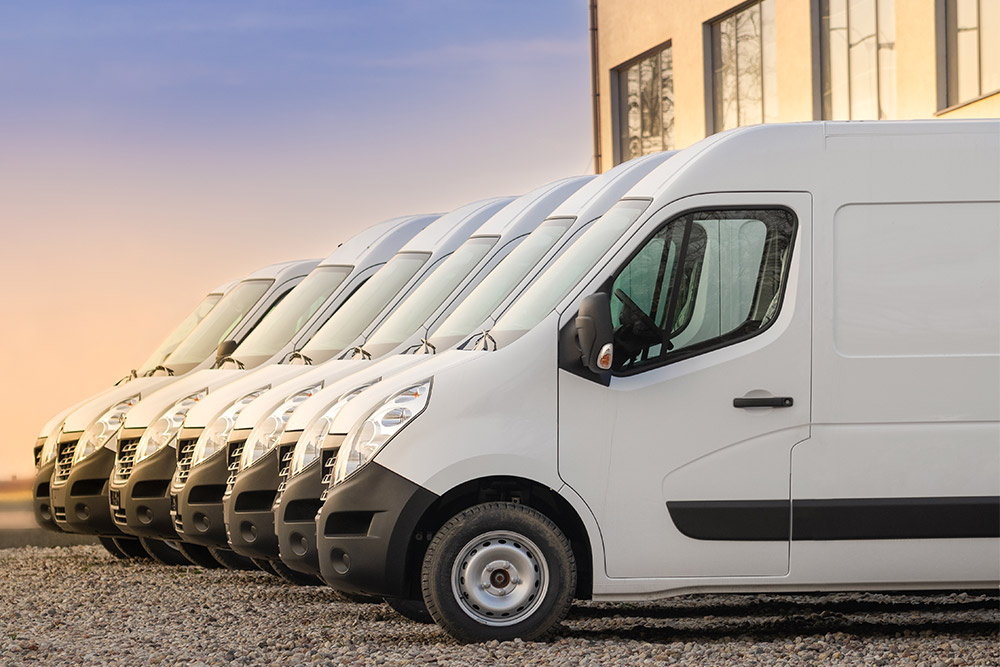
Your work vehicles need special protection beyond personal auto insurance. Commercial Auto coverage is designed for the unique risks of construction vehicles. Here's what it covers:
- Accidents involving your work vehicles
- Damage to tools and equipment being transported
- Injury to others in auto accidents
- Hired and non-owned auto coverage
Real-world example:
Your dump truck accidentally backs into a client's garage door. Commercial Auto covers the repair costs and any potential injuries.
Excess/Umbrella Insurance
Think of Umbrella coverage as an extra layer of protection. When other policies reach their limits, Umbrella Insurance kicks in to provide additional protection. Here's what it covers:
- Extended coverage beyond primary policy limits
- Additional protection for catastrophic events
- Coverage across multiple primary policies
Real-world example:
A major accident at your site results in multiple injuries with claims exceeding your General Liability limit of $1 million. Your Umbrella policy provides the additional coverage needed.

Property Insurance
Property Insurance protects your physical assets - from your office building to your expensive equipment. Here's what it covers:
- Buildings and structures you own
- Construction equipment and tools
- Office equipment and furniture
- Materials and supplies in storage
Real-world example:
A fire damages your warehouse containing construction materials and equipment. Property Insurance helps replace the lost items and repair the building.
Pollution Liability Insurance
Construction work can create unexpected environmental issues. Pollution coverage protects you from these specialized risks. Here's what it covers:
- Clean-up costs
- Third-party bodily injury from pollution
- Property damage from contamination
- Transportation of hazardous materials
Real-world example:
While excavating, you accidentally damage an underground tank, causing soil contamination. Pollution coverage helps with clean-up costs and any resulting lawsuits.
Professional Liability Insurance
Also known as Errors & Omissions (E&O), this coverage protects you when clients claim your professional advice or services caused them financial harm. Here's what it covers:
- Design errors
- Professional negligence claims
- Project management mistakes
- Documentation errors
Real-world example:
Your design-build firm makes a calculation error that requires expensive corrections. Professional Liability covers the additional costs and protects against the client's lawsuit.
Builder's Risk Insurance
This specialized coverage protects construction projects while they're in progress. Here's what it covers:
- Damage to buildings under construction
- Materials and supplies on site
- Temporary structures
- Some soft costs like architectural fees
Real-world example:
A windstorm damages your partially completed building project. Builder's Risk covers the repairs and replacement materials needed to get back on schedule.
Cyber Liability Insurance
In today's digital world, even construction companies need protection from cyber threats. Here's what it covers:
- Data breaches
- Ransomware attacks
- Client information theft
- Business interruption from cyber events
- Cost of notifying affected parties
- Cyber extortion
Real-world example:
Hackers access your system containing client payment information and project plans. Cyber coverage helps with the costs of investigation, client notification, and potential lawsuits.
Construction Bonds
While not technically insurance, construction bonds are crucial financial guarantees that protect project stakeholders. They work alongside your insurance program to ensure project success and stakeholder protection. Here's what it covers:
- Bid Bond: Guarantees you'll honor your bid and accept the job if selected
- Performance Bond: Ensures project completion according to contract specifications
- Payment Bond: Protects subcontractors and suppliers, ensuring they get paid
- Maintenance Bond: Covers defective workmanship or materials after completion
- License Bond: Guarantees compliance with local building codes and regulations
Real-world example:
Bid Bond: You win a $2 million school construction project but then realize you underbid significantly. The bid bond compensates the school district for the cost difference of selecting the next qualified bidder, protecting them from intentionally low bids.
Performance Bond: Halfway through building a $5 million office complex, your company faces financial difficulties and can't complete the project. The performance bond provides funds for the owner to hire another contractor to finish the work according to the original specifications.
Payment Bond: On a government building project, you face unexpected cash flow problems and fall behind on payments to your electrical subcontractor. The payment bond ensures the subcontractor gets paid, preventing work stoppage and project delays.
Maintenance Bond: Six months after completing a municipal parking garage, concrete deterioration appears due to improper mixing. The maintenance bond covers the repair costs, protecting the owner from defective workmanship.
Your ability to secure bonds depends on your company's financial strength, experience, credit history, and past performance. Working with an experienced surety agent can help you build bonding capacity over time.
Additional coverages may be available depending on your trade and requirements.
Next Steps
Now that you understand the basics of construction insurance, let's talk about your specific needs. Every construction business is unique, and we'll help you create a customized insurance program that provides the right protection at the right price.
Contact us using the form below to schedule a consultation where we can:
- Review your current operations
- Identify potential risks
- Design a comprehensive insurance program
- Explain costs and coverage options
- Answer all your questions
Remember: The right insurance protection gives you peace of mind to focus on what you do best - building and growing your construction business.
Understanding Insurance Rate Factors
Your construction insurance rates are shaped by how you run your business. Below are the key factors that insurance companies consider when calculating your premiums.

Payroll & Trade Classifications
The type of work you do matters. Roofing work costs more to insure than interior finishing because it carries more risk. Your total payroll directly affects Workers' Compensation premiums.
Project Size & Type
Larger or more complex projects typically mean higher premiums. A high-rise project carries different risks than home remodeling, and your rates reflect this.
Safety & Claims
A strong safety program and clean claims history can significantly lower your rates. Regular training and formal safety procedures show insurers you're serious about preventing losses.
Subcontractor Management
How you handle subcontractors affects your rates. Good risk transfer practices and proper subcontractor agreements can help control costs.
Equipment & Property
The value and condition of your equipment impact rates. Better security and maintenance practices can help reduce premiums.
Experience & Location
Your company's experience, location, and building methods all play a role. More experience and proven construction techniques often lead to better rates.